Fix Our Food
|
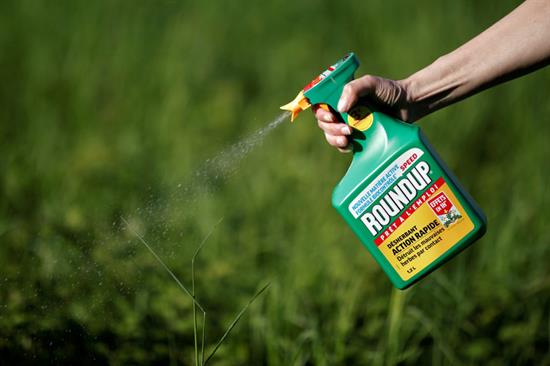
America’s food system is failing families and farmers. Food is getting more expensive while healthy food often remains out of reach. Family farms are disappearing at near-record rates. And the federal agencies meant to protect the public have too often been captured by the corporations they’re supposed to regulate. Across political divides, voters support action to safeguard communities from cancer-causing chemicals, increase access to healthy food, and break corporate control of our food system. We’re living in a time when Big Ag, Big Chemical and Big Food have traditionally had a grip on Washington and this is their wish list: weakening safeguards on toxic pesticides, shielding chemical manufacturers from legal liability for health harms, and slashing tools that help farmers grow real food. At the same time, extreme tariffs and illegal wars are exposing how fragile our food system has become. I launched the Fix Our Food Caucus to put forward a serious plan to make healthy food safe and accessible. The Fix Our Food Caucus focuses on these four pillars to strengthen America’s Food and Farms:MAKE HEALTHY FOOD AFFORDABLE & ACCESSIBLE Support fruit and vegetable growers, domestic seafood producers, local and regional supply chains. Expand local procurement for food banks and schools. Defend and strengthen federal nutrition programs. Expand access to land, credit, processing, and local markets. Break up Big Ag monopolies and restore fair competition. Provide an off-ramp from the chemical treadmill that's expensive for farmers and makes food more toxic. Allow Americans to pick healthy food over ultra processed food. DEFEND FAMILIES FROM TOXIC CHEMICALS IN FOOD Hold pesticide companies accountable for proven harms and reject attempts to give chemical manufacturers a liability shield for health harms. Phase out the most hazardous pesticides. Address pesticide use as a pre-harvest desiccant. Strengthen the National Organic Program. Incentivize soil health, crop diversity, rotational grazing and other sustainable practices. Eliminate PFAS and microplastics from food and water systems. Close the loopholes that let industry write its own safety reviews. PROVIDE KIDS WITH HEALTHY SCHOOL MEALS Make healthier food the default – starting with kids. Get ultra processed food out of schools. Reform USDA commodity procurement to prioritize local, organic, sustainable proteins, and minimally processed foods. Fund scratch-cooking in school kitchens. Strengthen nutrition standards. Give school districts resources to buy locally and regionally produced food, including seafood. PREVENT & TREAT DIET-RELATED CHRONIC DISEASES Address diet-related conditions such as obesity, diabetes, and cardiovascular diseases. Reduce health care costs through prevention and treatment. Increase funding for nutrition-related research at NIH. Improve access to and coverage of food is medicine interventions like produce prescriptions and medically tailored meals across the health care landscape. About Pesticides
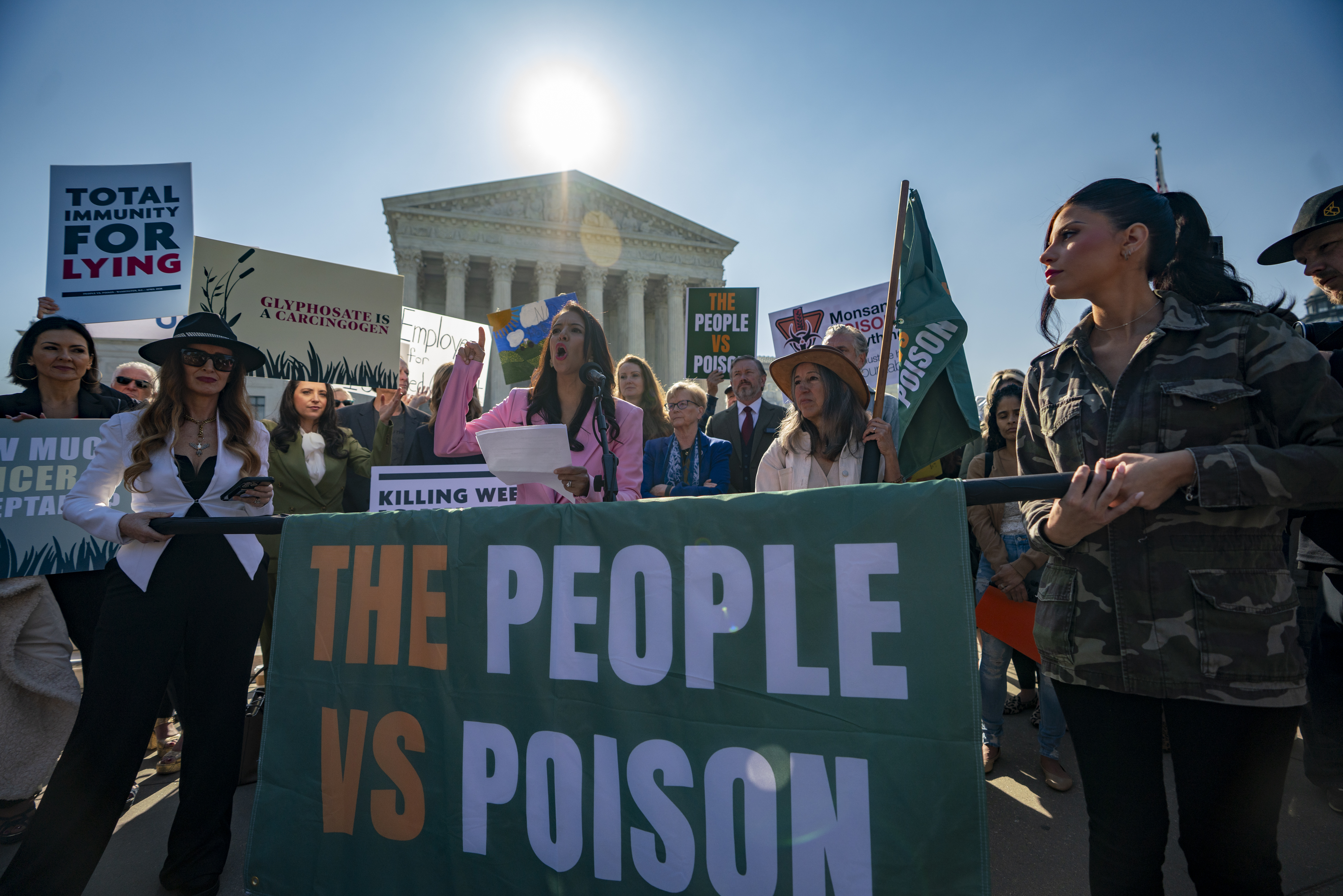
Rep. Anna Paulina Luna (R-Fla.) and I recently celebrated a win for the “Make America Healthy Again” movement after we successfully stripped dangerous, industry-written language from the Farm Bill that would pre-empt state rights to regulate pesticide usage or labeling and provide a liability shield for pesticide manufacturers. We also introduced the Paraquat Prevention Act, legislation that would cancel all registered uses of the pesticide paraquat under the Federal Insecticide, Fungicide, and Rodenticide Act (FIFRA) and permanently prohibit its reregistration.
|