Press Releases
Pingree Secures Major Win Against Big Chemical in EPA Funding Bill, Strips Rider That Would Shield Pesticides Manufacturers from Lawsuits
Washington,
January 5, 2026
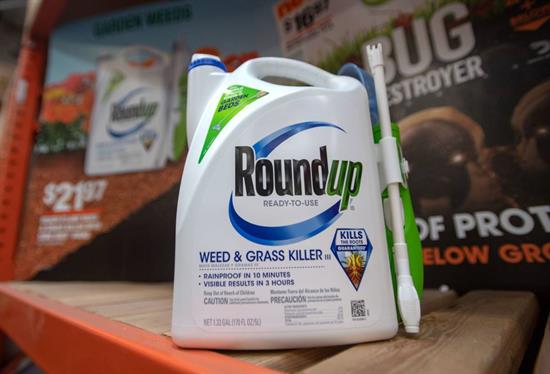
Congresswoman Chellie Pingree (D-Maine), Ranking Member of the House Appropriations Interior, Environment, and Related Agencies Subcommittee, announced today that she has successfully stripped a provision in the FY2026 funding bill that would have shielded pesticide manufacturers like Bayer from lawsuits. Pingree has been leading the effort to remove Section 453 from her subcommittee’s funding bill since Republicans quietly included it in their draft bill earlier this summer. “For too long, powerful chemical companies like Bayer have spent billions lobbying Congress to override the voices of states, towns, and families who are simply trying to protect their health. Despite their relentless efforts and thanks to immense public pressure, we successfully stripped the industry-backed pesticides preemption rider, Section 453, from the final Interior and Environment funding bill,” Pingree said. “This provision would have handed pesticide manufacturers exactly what they’ve been lobbying for: federal preemption that stops state and local governments from restricting the use of harmful, cancer-causing chemicals, adding health warnings, or holding companies accountable in court when people are harmed. It would have meant that only the federal government gets a say—even though we know federal reviews can take years, and are often subject to intense industry pressure,” Pingree continued. “In Maine and across the country, communities have acted responsibly to limit pesticide use near schools, homes, farms, and waterways. They shouldn’t be told by Washington—or by chemical lobbyists—that they no longer have the right to protect their children, their land, or their livelihoods. By removing this rider, we pushed back against Big Chemical, preserved local control, and made clear that public health comes before corporate profits. But this is not the end of the fight. We’ll be watching closely to ensure that similar language is not included in a Farm Bill or another legislative vehicle.” Pesticides in the United States are regulated under a combination of federal, state, and local laws. The primary federal statute governing pesticide registration and use is the Federal Insecticide, Fungicide, and Rodenticide Act (FIFRA), which directs the Environmental Protection Agency (EPA) to regulate the sale, labeling, and use of pesticides nationwide. Under FIFRA, the term “pesticide” includes substances used to control insects, rodents, weeds, fungi, and other organisms designated as pests. EPA is required to review each registered pesticide at least once every 15 years to determine whether it can continue to be used without causing unreasonable adverse effects on human health or the environment. While FIFRA establishes a federal baseline for pesticide regulation, it has long been interpreted to allow states and local governments to adopt additional protections to address health and environmental risks in their own communities. Section 453, which was included in the draft Interior and Environment appropriations bill, would have sharply limited that authority. The provision would have prohibited EPA from issuing guidance, taking regulatory action, or approving pesticide labeling that differed in any way from the conclusions of a FIFRA human health assessment or a pesticide carcinogenicity classification. In practice, this language would have restricted EPA’s ability to respond to emerging science and would have strengthened industry arguments that states and localities cannot impose additional warnings, restrictions, or safeguards. Debates over state and local authority to regulate pesticide use have been litigated for decades, particularly in cases involving widely used chemicals such as Roundup and paraquat, which have been linked to serious health harms including non-Hodgkin’s lymphoma and other cancers. Many states, cities, and counties have adopted measures to restrict pesticide spraying near schools, homes, and public spaces, citing the heightened vulnerability of children to toxic exposure and risks to brain development, reproduction, and long-term health. Seven states—Maine, Alaska, Hawaii, Maryland, Utah, Nevada, and Vermont—do not preempt local governments from regulating pesticide use within their jurisdictions. In Maine alone, there are more than 30 state and local regulations related to pesticide use and warning requirements that could have been undermined or preempted under Section 453. ### |