Press Releases
Pingree, Massie Team Up to Strip Big Chemical Immunity from Farm Bill
Washington,
April 22, 2026
Congresswoman Chellie Pingree (D-Maine) and Congressman Thomas Massie (R-Ky.) are teaming up to introduce an amendment to the Farm Bill that fights back against immunity for chemical companies and protects the health of Americans. Republicans’ Farm Bill, which is expected to be taken up by the House next week, includes provisions that would shield chemical manufacturers like Bayer from lawsuits and would preempt state and local warning label laws or usage regulations for potentially harmful products. The Pingree-Massie Protect Our Health Amendment would remove this harmful language from the Farm Bill. Cosponsors of the amendment include Representatives Brian Fitzpatrick (R-Pa.), Jim McGovern (D-Mass.), Eli Crane (R-Ariz.), and Eugene Vindman (D-Va.). “Big Chemical has spent years trying to buy exactly this kind of protection from Congress: immunity from lawsuits, weaker safeguards, and a federal override of state and local pesticide protections. This Farm Bill would hand it to them on a silver platter,” Pingree said. “If a company’s product makes people sick, that company should be held accountable. If states and local communities want to put stronger protections in place, they should have every right to do so. I’m grateful to Congressman Massie for joining me in this fight. This is beyond politics and party lines. Congress should be protecting families, farmers, and children, not doing favors for Bayer and other chemical giants.” “Americans need to know: our government is under siege by lobbyists for German company Bayer,” said Massie. “Bayer has spent over $9 million lobbying for exemption from liability for harm its chemicals, like glyphosate, might cause. To Make America Healthy Again, Congress should remove the language containing the pesticide liability shield from the Farm Bill.” Pingree, a longtime farmer and member of the House Agriculture Committee, attempted to strip this language from the Farm Bill during the committee markup in February. In January, Pingree successfully removed a similar provision from the FY2026 Interior and Environment Appropriations bill.
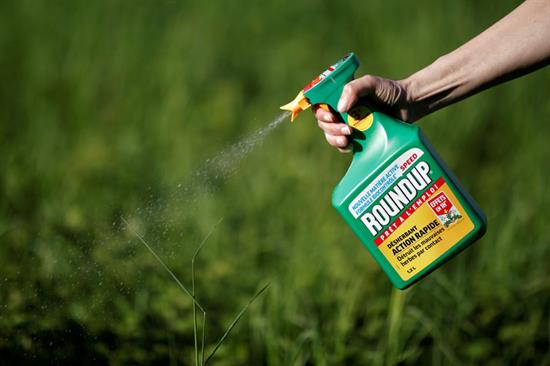
Earlier this year, President Trump signed an Executive Order to increase domestic production of glyphosate—a widely used weedkiller that has been linked to multiple health issues, including non-Hodgkin’s lymphoma. Pingree and Massie also introduced the No Immunity for Glyphosate Act, which would undo Trump’s Executive Order. On Monday, April 27, the U.S. Supreme Court will hear an appeal by the manufacturer of Roundup, supported by the Trump Administration, over lawsuits that allege it failed to warn consumers about the product’s dangers. Pingree and Massie are both slated to speak at the "People vs. Poison" rally outside the Supreme Court. Pesticides in the United States are regulated under a combination of federal, state, and local laws. Debates over state and local authority to regulate pesticide use have been litigated for decades, particularly in cases involving widely used chemicals such as Roundup and paraquat, which have been linked to serious health harms. Many states, cities, and counties have adopted measures to restrict pesticide spraying near schools, homes, and public spaces, citing the heightened vulnerability of children to toxic exposure and risks to brain development, reproduction, and long-term health. Seven states—Maine, Alaska, Hawaii, Maryland, Utah, Nevada, and Vermont—do not preempt local governments from regulating pesticide use within their jurisdictions. In Maine alone, there are more than 30 state and local regulations related to pesticide use and warning requirements that would be undermined or preempted under this Republican pesticide provision in the Farm Bill. ### |